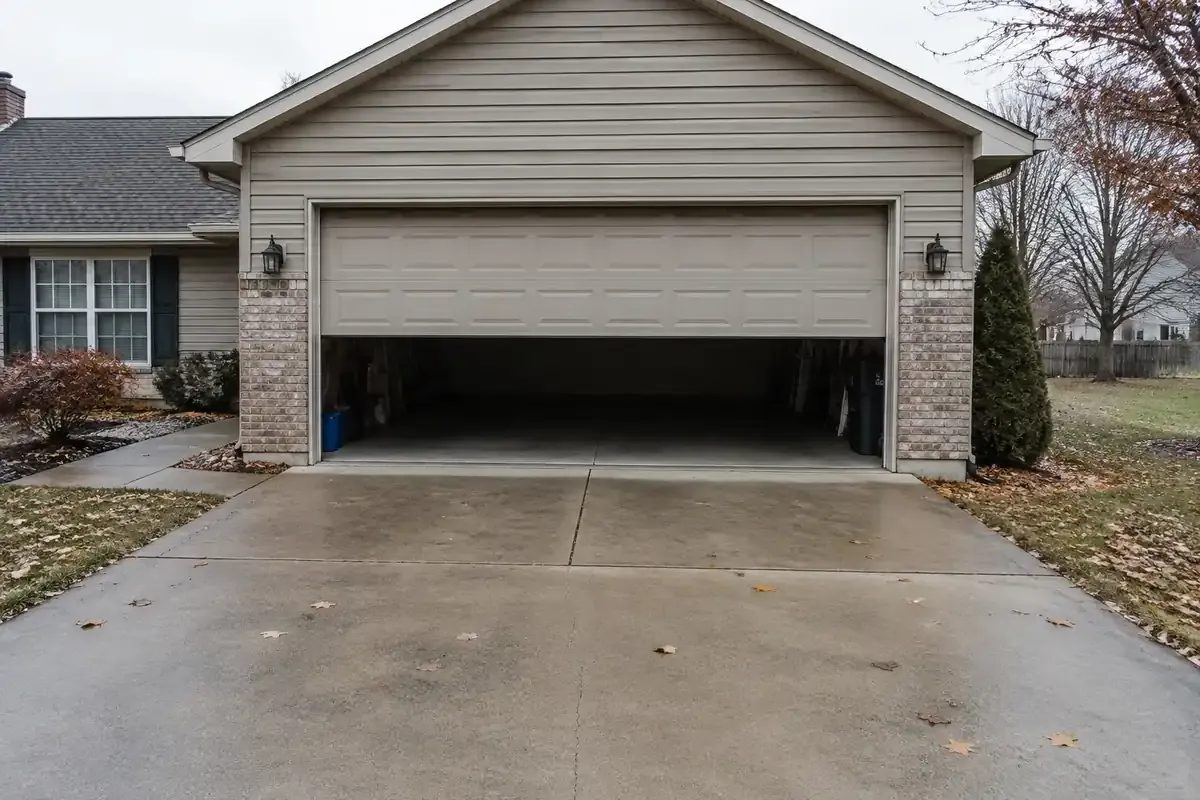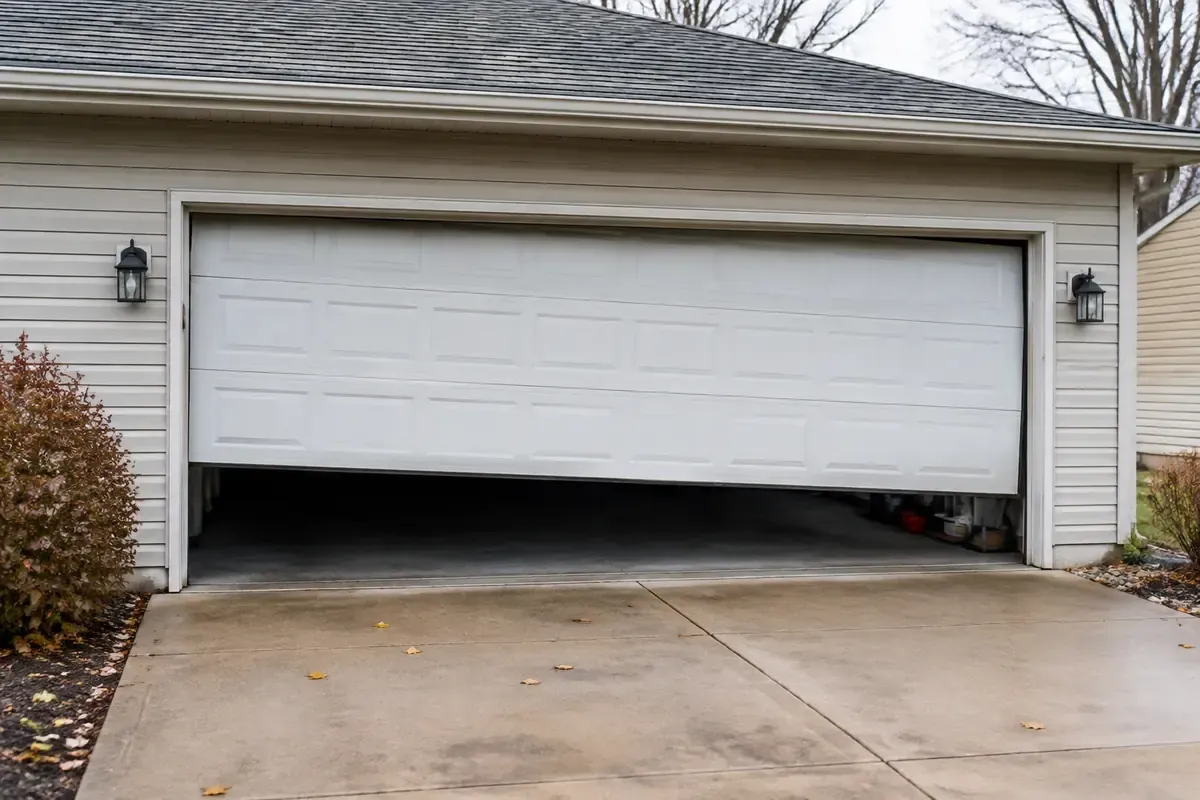
Garage Door Making Noise but Not Opening? Check Safely
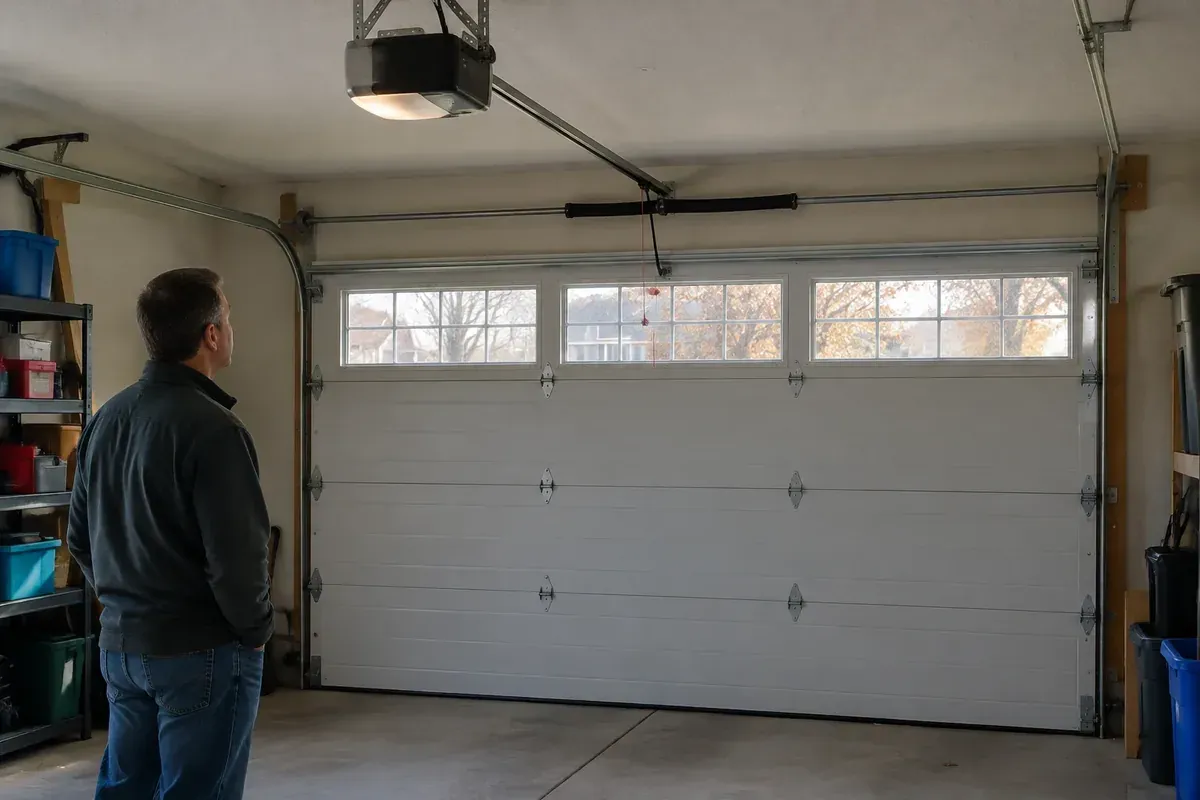
If your garage door is making noise but not opening, stop pressing the remote. A humming motor, grinding opener, or moving chain with a stationary door can point to a drive problem, a blocked door, or trouble with the lifting system. Repeated attempts can make the damage worse.
You can gather useful clues without taking anything apart. Stay clear of the door’s path, look for visible problems, and leave springs, cables, and opener internals alone. Same Day Garage Door provides garage door opener diagnosis and repair in Lima when the motor makes noise but the door stays put.
Garage Door Making Noise but Not Opening: What It Means
The key symptom is the mismatch: you hear activity, but the door does not rise. That is different from a door that squeaks or rattles while opening normally. Here, something is preventing the opener’s effort from becoming door movement.
An opener works through a drive mechanism and a connection to the door. The door also relies on springs, cables, rollers, and tracks to move correctly. A problem anywhere along that path can leave you hearing a motor while looking at a closed door.
Humming is not proof that the motor is turning
A steady hum or buzz may mean the motor is receiving power but cannot start or turn under the load. It may also come from another electrical component inside the opener. Sound alone cannot tell you which part has failed.
A smoother running sound, especially with visible chain or belt movement, points toward a different set of possibilities. The drive may be moving without transferring that movement to the door. You still need a hands-on inspection to tell why.
Notice what happened before it stopped
Think back to the last attempt rather than pressing the button again. Did the door lift slightly, jerk, or stay completely still? Did you hear a sharp bang before the trouble began, or grinding from the motor housing?
Those details help separate an opener problem from a door problem. They are clues, not a safe basis for ordering parts or attempting a repair yourself.
Look for an Obstruction or an Engaged Lock
Start with a visual check from beside the opening, away from the tracks and any space beneath the door. Leave children, pets, and other people clear of the garage door while you look.
In a Lima garage used for parking and storage, a shovel handle, storage tote, or yard tool can end up against a track. A shifted shelf or an item caught near a roller may also interfere with movement. Look without reaching into the track or pulling on the door.
Check the manual lock visually
Some doors have an inside slide lock or locking bars that secure the door to the track. If a manual lock is engaged, the opener may pull against a door that cannot rise.
Do not force the lock, bend its bar, or run the opener to see if it releases. If the opener has already pulled against the locked door, there may be tension or damage in the arm, brackets, or door section. A lock that looks jammed or sits under pressure needs professional attention.
Keep the check limited
You can move a loose object sitting well away from the door and its hardware. Do not remove anything trapped under the door, wedged into a track, or caught in a cable or roller. Moving it could let the door shift unexpectedly.
If you cannot clearly see what is blocking movement, stop there. A closed door can still hold stored energy, and a partly open door adds a falling-door hazard. Looking is useful; prying, tugging, and testing with more motor force are not.
Understand the Difference Between Drive and Lifting Problems
The opener is not supposed to do all the lifting by itself. The springs counterbalance the door’s weight, while the cables and other hardware help guide and support its movement. If that system fails, a working opener may struggle or stop.
On the other hand, the door itself may not be the main problem. Worn or damaged parts inside the opener can keep motor movement from reaching the door. That is why replacing the opener based only on a humming sound is a gamble.
| What you already noticed | What it may suggest | What to do next |
|---|---|---|
| A steady hum with no visible drive movement | A stalled motor, internal electrical trouble, or a load the motor cannot move | Stop operating it and arrange diagnosis |
| A running sound with chain or belt movement, but no door movement | Trouble transferring motion through the drive or door connection | Leave the mechanism alone and report what moved |
| Grinding or rattling from the opener housing | Worn or damaged internal drive parts | Do not open the housing or keep testing |
| A slight lift, then a stop or strained hum | Binding, a lock, or a lifting-system problem | Keep clear and have the door and opener inspected |
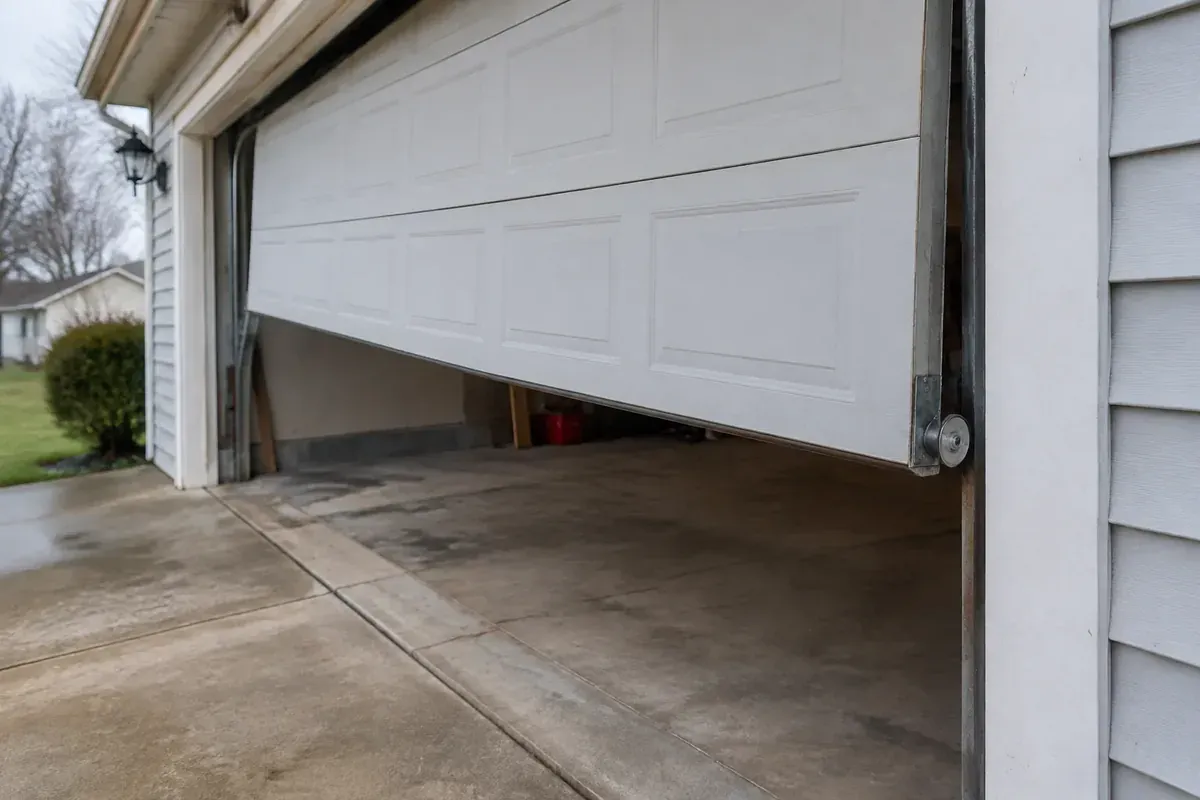
| A crooked door, loose cable, or visible spring gap | Possible failure in the door’s lifting system | Keep everyone away and request repair |
Springs and cables change the repair plan
A visible separation in a torsion spring above the door is a warning sign. So is a cable hanging loose beside the opening or a door sitting unevenly. Do not touch the spring, cable, drum, or bottom bracket.
These symptoms may call for garage door spring and lifting-system repair, not just work on the motor. The technician needs to identify the failed parts and check for related damage before returning the door to service.
A louder opener is not the answer
Turning up the opener’s force setting does not repair a broken spring, damaged gear, or jammed roller. It can hide resistance long enough to put more stress on the door and its attachments. Find the reason for the resistance instead of asking the opener to overpower it.
Record Useful Clues Without Running It Again
A short description of what already happened can be more useful than another test. You do not need to reproduce the failure for the repair visit. If the opener is still running or humming, stop its operation rather than waiting to capture a recording.
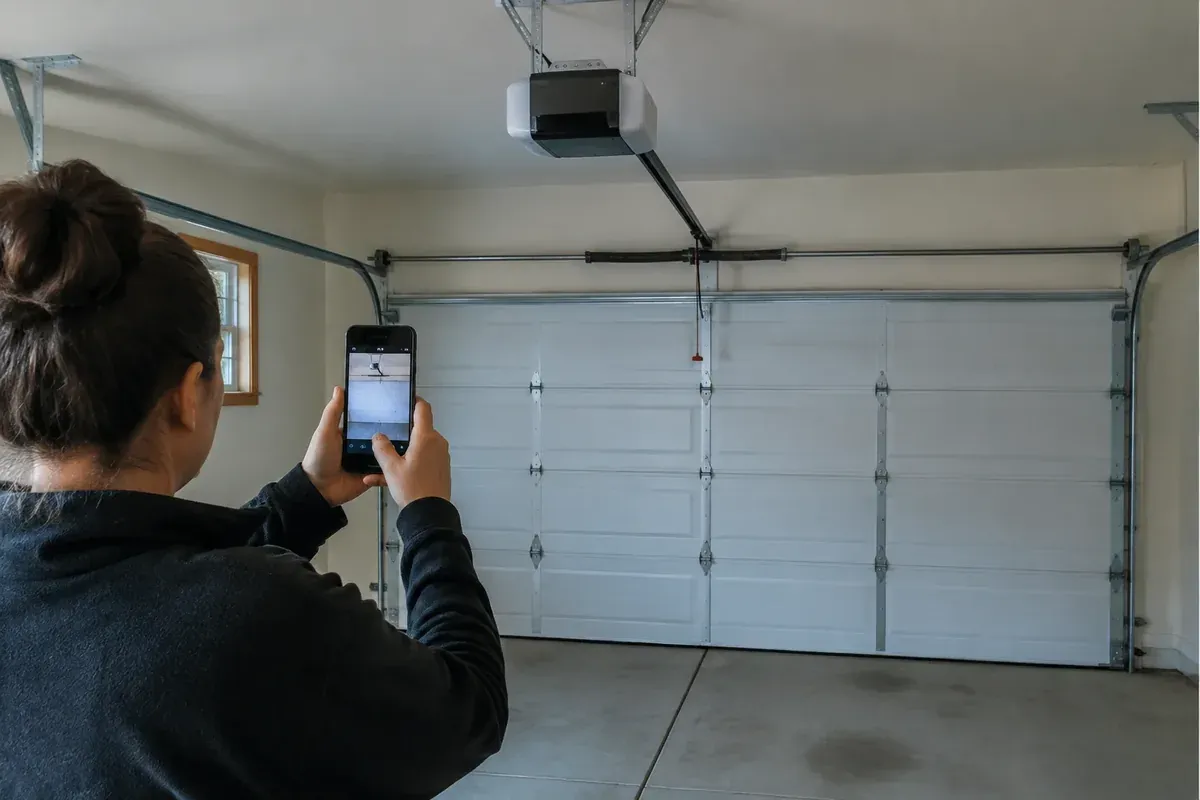
If you already have a video from a garage camera or phone, save it. Otherwise, take still photos from a safe position with the system stopped. Stay out from under a partly open door and do not climb a ladder to get a closer view.
What to tell the repair company
Useful details include:
- Whether the noise came from the overhead opener or the door hardware.
- Whether the sound was humming, buzzing, grinding, clicking, or normal motor noise.
- Whether the chain, belt, carriage, or door moved during the original attempt.
- Whether the door stayed level or lifted unevenly.
- Whether you noticed a bang, a hanging cable, a bent section, or an engaged lock.
- Whether the opener stopped by itself or continued until you stopped it.
You can also share the opener brand and model if they are readable from floor level or available in your paperwork. Do not remove a cover to find them.
Keep flashing lights in context
If the opener also flashes a light, note the pattern without repeatedly activating it. Flashing can mean different things on different models, so it is not a universal diagnosis. Our guide to a garage door that will not work and has a flashing light explains that symptom in more detail.
Avoid the Tests That Can Make Things Worse
The most common unhelpful response is also the most understandable: press the button again and hope it catches. When a motor is stalled or drive parts are slipping, repeated attempts can generate heat or cause more wear. Stop cycling it once you know the door is not moving normally.
Do not switch between the wall control, remote, and keypad as repeated load tests. If each control starts the same motor noise, changing the control does not remove the mechanical problem.
Do not open the motor housing
Grinding can make it tempting to remove the cover and look for a damaged gear. Leave that inspection to a technician. The housing contains electrical components, and opening it does not tell you whether the door itself caused the failure.
Avoid adjusting travel limits, force controls, chain tension, or belt tension to chase the symptom. Those adjustments serve specific purposes. Guessing at them can add another problem without fixing the original one.
Do not pull, pry, or add lifting help
Do not have someone pull upward on the door while another person runs the opener. Keep tools out of the tracks, and do not loosen hinges, brackets, or cable hardware. A door that suddenly moves can trap hands or fall out of position.
If you can safely reach the opener’s plug from the floor, unplugging it can prevent accidental activation. Do not climb beneath a damaged or partly open door to reach it. When safe access is not available, keep people away from the controls and explain the situation when you call.
What a Professional Diagnosis Should Sort Out
A useful diagnosis answers more than “Does the opener run?” It should establish whether the door can move correctly, whether the lifting system is intact, and whether the opener transfers power as intended. Otherwise, a repaired opener may be put back to work against the same unresolved load.
The technician can inspect the drive, door connection, tracks, rollers, springs, and cables as needed. Electrical testing may also be necessary when the motor hums but does not turn. The sound helps guide that work, but it does not replace it.
Repair or replace the opener?
An isolated drive-part failure may be repairable. Broader damage, unavailable parts, or other problems with the unit may make replacement worth considering. Ask what failed, what caused it, and what each proposed option actually fixes.
A new opener will not correct a binding door or a failed lifting system. Those conditions need attention even if you decide to replace the motor unit. An honest recommendation should make that distinction clear.
What affects the price?
The scope depends on what the inspection finds: an internal opener failure, damaged door hardware, lifting-system trouble, or a combination. Access and any related damage can also affect the work required.
Same Day Garage Door confirms final prices after the technician sees the door. If you are searching for “garage opener repair near me,” describe the stationary door and the motor noise when you call. That is more useful than asking for a particular replacement part before the cause is known.
When to Leave the Door Alone and Call
Arrange repair when the opener hums or runs but the door remains stationary, especially if there is no obvious, safely removable obstruction. Call promptly if you see a crooked door, a loose cable, a damaged bracket, or a door hanging partly open. Keep the area clear until it has been assessed.
For homeowners in Lima, Elida, or nearby towns, a trapped vehicle can turn a normal morning into a scramble. Use another exit and make other travel arrangements rather than forcing the door. An attached garage also needs a clear boundary so nobody walks in and tries the wall button out of habit.
Property managers should tell tenants not to operate the door and pass along any photos or descriptions already collected. Avoid asking a tenant or maintenance helper to lift it for a test. The immediate goal is to prevent another attempt, not to prove which part failed.
Stop cycling the opener and book a diagnosis with Same Day Garage Door. Call (419) 909-0197 or contact the team about your stationary garage door for service in Lima and nearby towns.
Frequently asked questions
Why does my garage door opener hum but the door does not move?
The motor may be stalled, an internal component may have failed, or the door may have a mechanical problem that prevents movement. Stop operating it, because the sound alone cannot tell you which repair is needed.
Can a broken spring make the opener run without opening the door?
Yes. A failed spring can leave the opener trying to move a load it cannot safely handle. Keep clear of the spring and cables, and do not increase the opener’s force setting.
My garage door is buzzing but not closing. Is that the same problem?
Not necessarily, because a closing failure can involve an obstruction, safety-sensor trouble, binding, or an opener fault. If the motor buzzes while the door remains still, stop cycling it and report the direction of travel when arranging service.
Why will my garage door opener open the door but not close it?
That pattern can point to an obstruction or safety-sensor issue, though travel settings and mechanical problems are also possible. Check visually for something blocking the opening, but do not bypass the sensors or force the door closed.
Is a garage door that randomly opens related to a humming opener?
Unexpected opening is a different symptom and may involve a remote, wall control, wiring, or control electronics. Tell the technician about both behaviors rather than assuming they have the same cause.